
"washed process beans"
10000 article(s) found

What are the advantages and disadvantages of washing and tanning? What's the difference between them?
Professional coffee knowledge exchange more coffee bean information please follow the coffee workshop (Wechat official account cafe_style) what are the advantages and disadvantages of washing and tanning? What's the difference between them? The influence of coffee flavor, in addition to varieties, producing areas, planting methods, there is also an important process of coffee raw bean treatment. Different treatments will lead to different flavors of coffee beans.

Growers will not use natural washing for ultra-high quality coffee beans.
Growers do not use natural washing for ultra-high-quality coffee beans. Some plantations that have not used honey treatment in the past have to use the tools at hand to process the coffee. Since raw bean processing plants in most regions, such as Latin America, Kenya and Ethiopia, used to use water to transport raw coffee beans, coffee beans lose some of their mucous membranes during transportation.

Which is better, washed coffee or tanned coffee? what is the flavor of sun-processed coffee?
For more information on coffee beans, please follow the Coffee Workshop (Wechat official account cafe_style) Coffee is sown and then mass produced a few years later, then picked and processed into raw coffee beans, which are transported from the country of origin to the consuming country, then roasted into cooked beans, and finally extracted into coffee. Planting, picking, processing, warehousing, transportation, baking

How many kinds of coffee are treated by dried-- different beans are treated differently.
How many kinds of coffee are treated with dried-aren't different beans treated the same way? this method is very common in Brazil. The natural washing method is very similar to the water washing method, except that the natural washing method uses a high-pressure washing machine to remove the mucous membrane of the coffee surface, thus skipping the fermentation process. Several coffee and raw bean processing companies in Brazil and Colombia have used this method

Explanation of the washing method for the primary processing of coffee beans
Washing is the most popular and widely used method of raw bean treatment at present, and most of the boutique coffee beans will choose the washing method. In South America, all countries except Brazil choose to wash raw beans. Washing is the most scientific and technological method among all the treatment methods, and multiple screening is used to ensure the uniformity and stability of coffee bean quality. First of all, still

Processing of high-quality coffee beans semi-washing method for processing coffee beans
First remove the skin with water, and then go to the sun. This is a relatively new and rare method. This method is only suitable for specific areas of some countries, with a long drying period. The coffee produced by this method is sticky, and the mucus is not removed as it is fermented in the tank. Therefore, the coffee produced by this semi-washing method contains washing and drying methods.

How to rinse coffee beans well and drink enzyme water washing method
Professional coffee knowledge exchange more coffee bean information please follow the coffee workshop (Wechat official account cafe_style) this coffee forest-Lin Weiting for iDrip coffee from the Waka processing Station (WERKA), it is located in Sidamo Province, made up of 305 farmers, planting area of about 76
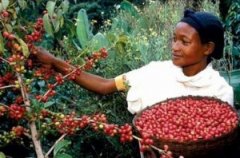
A brief introduction to the processing methods of Coffee beans
Coffee bean processing when the hard bean farmers, will be ripe bright red coffee "cherry" pick down, coffee beans magical adventure will be launched. To convert a coffee fruit into a raw coffee bean, the peel and pulp of the coffee fruit need to be removed, leaving seeds or beans, and drying. This refining process usually has two main processing methods: washing (wet method) and drying.

How about Brazilian coffee beans? Semi-washed processing process to peel off its heart layer by layer
Professional coffee knowledge exchange More coffee bean information Please pay attention to coffee workshop (Weixin Official Accounts cafe_style) Front Street-Brazilian coffee characteristics, semi-washing treatment method Introduction Coffee from different producing areas has different styles, and Brazilian coffee happens to be very suitable for public taste. The coffee flavor of individual areas is highly local and commendable. Because of the elevation of the entire Brazilian habitat

What is the difference in the taste of exactly the same coffee beans between washing and tanning?
Professional coffee knowledge exchange more coffee bean information Please follow the coffee workshop (Wechat official account cafe_style) first of all to clarify a concept: treatment process = fermentation process. The treatment of coffee beans is the process of picking coffee cherries from fruit trees and turning them into raw beans before baking. This process can also be regarded as the process of coffee bean fermentation. Just like wine is needed.

Introduction to the Flavor processing methods of different treatments of Coffee beans by Solar washing method
Coffee treatment method 1, bean selection: put the harvested fruit in a water tank and soak for about 24 hours. At this time, ripe fruit will sink, while immature and overripe fruit will float up and can be removed. 2. Remove the pulp: use a machine to remove the skin and pulp, leaving only the coffee beans wrapped in the endocarp. At this time, there is a layer of mucous membrane on the outside of the beans, and the process of washing

What are the processing methods for coffee beans? What are the common processing methods for analyzing coffee beans?
Professional coffee knowledge exchange More coffee bean information Please pay attention to coffee workshop (Weixin Official Accounts cafe_style) 1. Semi-water washing Semi-water washing is also called wet stripping or wet planing. The difference with other treatment methods is that the coffee beans are not directly dried to the moisture content of 11~12% in the process, but the surface shell is removed when the moisture content is about 30~35%, so that the green beans can be dried.

How many treatments are there for Brazilian coffee? Brazilian coffee flavor
The four most common treatment methods of Brazilian coffee are natural solarization, desizing, semi-washing and water washing, among which natural solarization is the most popular. Since the harvest seasons in Brazil's two main producing areas, Serrado Minero (CerradoMineiro) and Mogiana Paulista (Mogiana Paulista), are both dry seasons of the year, natural solarization is popular in this region.

Introduction of coffee bean sun washing red honey treatment variety taste manor country
Yejia Xuefei coffee beans we know that coffee raw beans can be roughly divided into three methods. The distinction between each method is based on the fact that several layers of matter are removed from the fruit before the coffee is dried. The following is a list of three major processing methods: 11. Natural sun treatment: retain all substances 22. Honey treatment: remove the peel and pulp, retain some or all of the mucous membrane (honey) 3 washing method: use water

A brief introduction to three processing methods of coffee beans what is the addition of washing to the flavor of coffee?
Professional coffee knowledge exchange more coffee bean information please follow the coffee workshop (Wechat official account cafe_style) Front Street-Coffee processing methods introduce the world's top gourmet coffee coffee processing methods are achieved through many different methods. These processing techniques can be divided into three categories: wet processing (washing), dry processing (natural, sun-dried), and honey processing. Farmers choose the most suitable for them.

Green coffee beans semi-washing treatment method planting process growth environment introduction
Coffee is either dried naturally on the patio, or dried by a machine, or both. The treatment method is to spread the coffee cherries widely in the exposure field for two weeks, and sweep them several times a day with a rake to make the coffee beans dry more evenly. When dried, the beans separate from the outer skin

Description of Flavor in Coffee Bean processing and washing process introduction of varieties in taste producing areas
Coffee bean processing washing step flavor description taste production area variety introduction 1. Choose beans: if you put the harvested fruit in the water tank, the ripe fruit will sink, while the immature and overripe fruit will float up and can be removed. two。 Drying: place the selected ripe fruits in the square and expose them to the sun for 5 or 6 days until fully dried. At this time, the fruit turns dark brown
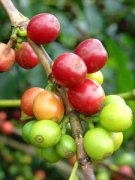
Brazilian coffee beans processing Brazilian coffee green beans wholesale coffee beans American coffee beans
The four most common treatments for Brazilian coffee are sun, desizing, half-washing and washing, with sun being the most popular. Since the harvest seasons of Cerrado Mineiro and Mogiana Paulista, Brazil's two main producing areas, are both dry seasons of the year, natural solarization is common in this area.

Coffee bean red wine treatment-introduction to the processing process from coffee fruit to beans
Coffee Bean Red Wine treatment-Coffee Fruit to Bean processing introduction Honey treatment is more stable than dry treatment but not as good as washing treatment. This method of processing coffee beans by honey treatment has recently been sought after by coffee lovers. It has a sweet taste and is rich in Crema. It is suitable for extracting Espresso from the base of Italian coffee. The advantage is that it can restore coffee beans very well.

Introduction to the method of describing the characteristics and Flavor of Coffee Bean washing in the Sun
Coffee beans sun-washed coffee accounts for 35% of exports. Good quality washed coffee is processed with freshly picked fully ripe fruit, picked carefully and closely monitored by professionals. The picked clean coffee beans are pulped on the day of picking, then fermented, washed, dried and peeled. The humidity of processed coffee beans is kept at about 12%. The washing rule has a good alcohol.